 By
By
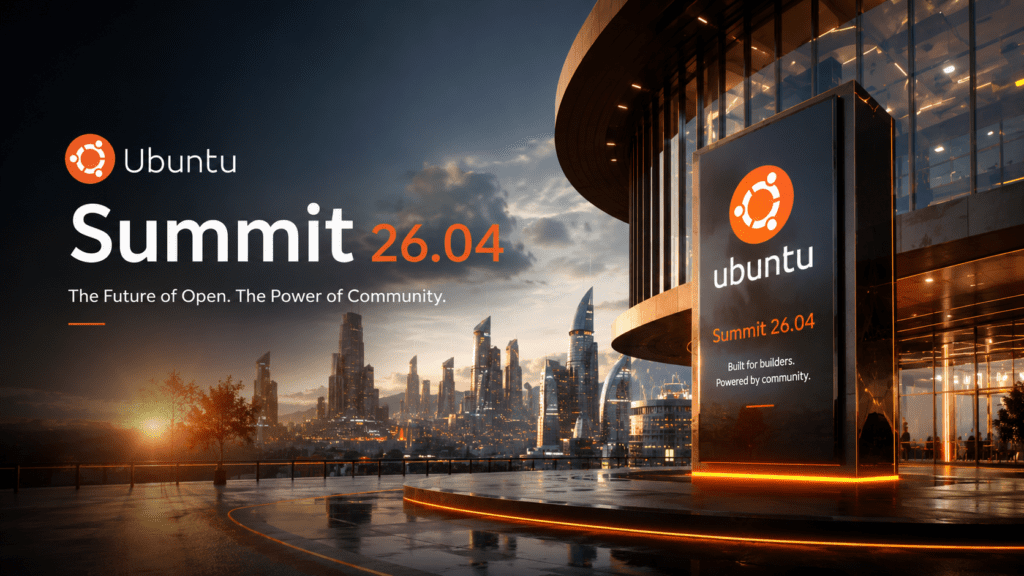
Ubuntu Summit 26.04 Brings the Open-Source Community Together Around AI, Cloud Innovation, and the Next Era of Linux
The Linux ecosystem has never been more influential than it is today.
From artificial intelligence workloads and cloud-native applications to edge computing, enterprise infrastructure, robotics, and developer tooling, open-source technologies now power much of the modern digital economy. At the center of that movement sits Ubuntu, one of the world’s most widely adopted Linux distributions.
That reality helps explain why Ubuntu Summit 26.04 attracted significant attention from developers, engineers, researchers, enterprise technology leaders, hardware manufacturers, and community contributors across the globe.
Hosted by Canonical as a virtual-first event on May 27 and 28, Ubuntu Summit 26.04 served as far more than a collection of technical talks. It became a showcase for where Linux is heading next, how artificial intelligence is reshaping software development, and why open collaboration remains one of the most powerful forces in technology.
For anyone wondering what Ubuntu Summit 26.04 revealed about the future of open-source computing, the event delivered a surprisingly clear answer: Linux is no longer simply an operating system. It has become the foundation upon which many of the world’s most important technologies are being built.
Understanding Ubuntu Summit: Why It Matters
Ubuntu Summit has evolved into Canonical’s premier gathering for the Ubuntu and broader open-source community.
Unlike traditional conferences focused exclusively on product announcements, the summit functions as a collaborative forum where participants discuss emerging technologies, share research, explore engineering challenges, and contribute ideas that may shape future development.
The event typically brings together:
- Ubuntu developers
- Linux kernel contributors
- Cloud architects
- AI researchers
- Enterprise IT leaders
- Security specialists
- Open-source maintainers
- Hardware partners
- Students and educators
This broad participation creates an environment where technical innovation intersects with real-world deployment challenges.
As enterprises increasingly rely on open-source technologies, conversations that once occurred only among enthusiasts now influence industries worth trillions of dollars.
Ubuntu Summit 26.04 at a Glance
| Category | Details |
|---|---|
| Event | Ubuntu Summit 26.04 |
| Organizer | Canonical |
| Format | Virtual |
| Dates | May 27–28, 2026 |
| Main Themes | AI, Linux, Cloud Computing, Security, Open Source |
| Audience | Developers, Engineers, Researchers, Enterprise Users |
| Focus Areas | Infrastructure, Automation, Containers, Edge Computing, Emerging Technologies |
The 2026 edition continued Canonical’s strategy of making the summit globally accessible while expanding discussions around the technologies currently driving industry transformation.
Artificial Intelligence Took Center Stage
One of the strongest themes throughout Ubuntu Summit 26.04 was artificial intelligence.
This isn’t surprising.
AI has moved from experimental research projects to mainstream deployment across industries. Organizations now need reliable infrastructure capable of supporting model training, inference, orchestration, and large-scale automation.
Ubuntu has become one of the most commonly used operating systems for AI environments, particularly because of its strong support for:
- NVIDIA GPU ecosystems
- Kubernetes deployments
- Cloud infrastructure
- Machine learning frameworks
- Containerized workloads
During the summit, discussions focused not only on AI models themselves but also on the infrastructure layer that enables practical deployment.
This distinction matters.
Many organizations have discovered that building an AI model is often easier than deploying, securing, scaling, and maintaining it in production environments.
Ubuntu’s role increasingly lies in solving those operational challenges.
Why Ubuntu Has Become a Preferred Platform for AI Development
Several factors explain Ubuntu’s growing importance within AI ecosystems.
Developer Familiarity
Most machine learning frameworks support Ubuntu natively.
Whether teams use:
- PyTorch
- TensorFlow
- JAX
- Hugging Face tools
- CUDA-based environments
Ubuntu often becomes the default operating system.
Enterprise Stability
Organizations need predictable releases and long-term support.
Ubuntu LTS versions provide:
- Extended maintenance cycles
- Security updates
- Infrastructure consistency
- Enterprise-grade reliability
Cloud Integration
Major cloud providers offer extensive Ubuntu support.
This simplifies migration between:
- On-premises environments
- Hybrid cloud deployments
- Public cloud infrastructure
Ubuntu Summit sessions highlighted how these advantages continue attracting AI-focused organizations.
Cloud-Native Computing Remains a Core Priority
While AI generated significant excitement, cloud-native infrastructure remained equally important throughout the event.
Modern applications increasingly rely on:
- Containers
- Kubernetes
- Microservices
- Infrastructure as Code
- Distributed architectures
Ubuntu has become deeply embedded within these environments.
Organizations running large-scale cloud operations often deploy Ubuntu across thousands of servers because of its stability, ecosystem compatibility, and extensive tooling support.
At Ubuntu Summit 26.04, experts discussed emerging trends including:
Kubernetes Optimization
As Kubernetes adoption matures, organizations face new challenges involving:
- Cost efficiency
- Cluster management
- Security
- Multi-cloud orchestration
Sessions explored practical approaches to improving operational efficiency.
Observability and Monitoring
Cloud-native systems generate enormous volumes of telemetry.
Presenters examined modern strategies for:
- Metrics collection
- Log management
- Distributed tracing
- Performance optimization
Automation at Scale
Manual infrastructure management is increasingly unsustainable.
Automation discussions focused on:
- CI/CD pipelines
- Infrastructure provisioning
- Policy enforcement
- Configuration management
These topics reflect the realities faced by enterprise technology teams today.
Linux Security Continues to Evolve
Security remained another major focus area.
As cyber threats grow more sophisticated, organizations require stronger protections across:
- Endpoints
- Servers
- Containers
- Cloud environments
- Development pipelines
Ubuntu Summit 26.04 highlighted how security is becoming integrated into every stage of software delivery rather than treated as a separate process.
Several discussions emphasized:
Secure Software Supply Chains
Recent industry incidents have exposed weaknesses in software dependency management.
Experts explored:
- Package verification
- Dependency auditing
- Reproducible builds
- Vulnerability monitoring
Container Security
Containerized applications remain attractive targets.
Sessions examined methods for:
- Hardening container images
- Runtime protection
- Access controls
- Compliance management
Zero Trust Architectures
Organizations continue moving toward security models that assume no system or user should be trusted by default.
This approach is increasingly relevant in distributed work environments and cloud-native ecosystems.
The Expanding Role of Open Source in Enterprise Technology
Perhaps the most significant takeaway from Ubuntu Summit 26.04 was the continued maturation of open source within enterprise environments.
A decade ago, many businesses viewed open-source software as a cost-saving alternative.
Today, it is often the preferred choice.
This shift has occurred because organizations increasingly recognize the advantages of open development models.
These benefits include:
- Faster innovation
- Greater transparency
- Community-driven improvements
- Vendor flexibility
- Reduced lock-in
Canonical and the broader Ubuntu ecosystem occupy a strategic position within this transition.
Ubuntu now powers workloads across:
- Financial institutions
- Telecommunications networks
- Healthcare systems
- Research organizations
- Government infrastructure
- Artificial intelligence platforms
The summit showcased how deeply open source has become integrated into modern business operations.
Edge Computing and Emerging Platforms Gain Momentum
Another noteworthy theme involved edge computing.
As organizations deploy connected devices, industrial systems, robotics platforms, and IoT networks, computing resources increasingly move closer to where data is generated.
Ubuntu has become a popular operating system for edge deployments because of its flexibility across different hardware architectures.
Discussions explored:
Industrial Automation
Factories and industrial facilities increasingly depend on edge intelligence.
Robotics
Robotics development continues to benefit from Ubuntu’s compatibility with leading frameworks.
Smart Infrastructure
Connected systems require reliable operating environments capable of functioning outside traditional data centers.
These trends suggest future growth opportunities for Ubuntu beyond conventional server deployments.
Developer Experience Is Becoming a Competitive Advantage
One recurring message throughout the summit was that developer productivity matters more than ever.
Technology leaders increasingly understand that infrastructure choices influence developer efficiency.
When development environments become easier to configure, maintain, and scale, organizations gain measurable advantages.
Ubuntu’s ecosystem continues investing heavily in:
- Simplified deployment workflows
- Container tooling
- Package management
- Automation frameworks
- Cross-platform development
This focus aligns with broader industry efforts to reduce friction throughout the software development lifecycle.
Key Industry Trends Highlighted by Ubuntu Summit 26.04
The summit reflected several broader technology trends currently reshaping the market.
| Trend | Industry Impact |
| AI Infrastructure Growth | Increased demand for scalable computing resources |
| Cloud-Native Adoption | Expansion of Kubernetes and containers |
| Edge Computing | Processing moves closer to devices |
| Security Integration | Security embedded throughout development |
| Open-Source Expansion | Greater enterprise adoption |
| Developer Productivity | Faster software delivery cycles |
| Hybrid Cloud Strategies | Increased operational flexibility |
These trends extend far beyond Ubuntu itself and provide insight into where enterprise technology is heading over the next several years.
Common Misconceptions About Ubuntu Summit
“It’s Only for Linux Experts”
Not true.
Many sessions are designed for varying experience levels, including developers who are relatively new to Linux.
“It’s Just a Product Marketing Event”
While Canonical highlights ecosystem developments, much of the summit focuses on technical knowledge sharing and community collaboration.
“The Topics Only Matter to Ubuntu Users”
Many discussions address broader industry technologies such as Kubernetes, AI infrastructure, cloud architecture, and cybersecurity.
These subjects are relevant regardless of operating system preferences.
“Open Source Is Primarily for Small Organizations”
Enterprise adoption statistics increasingly demonstrate the opposite.
Many of the world’s largest companies depend heavily on open-source technologies.
Practical Lessons Organizations Can Take Away
For businesses evaluating their technology strategy, Ubuntu Summit 26.04 offered several actionable insights.
Invest in Automation
Infrastructure complexity continues increasing.
Automation helps maintain scalability and operational consistency.
Prioritize Security Early
Security must be integrated from development through deployment.
Retrofitting protection later becomes significantly more expensive.
Prepare for AI Workloads
Even organizations not actively deploying AI today should evaluate infrastructure readiness.
Demand is growing rapidly.
Strengthen Open-Source Participation
Organizations often gain value not only from using open-source software but also from contributing back to communities.
Focus on Developer Productivity
Reducing friction for developers can accelerate innovation and improve software quality.
What Ubuntu Summit 26.04 Reveals About the Future
The strongest message emerging from Ubuntu Summit 26.04 is that open source has moved into a new phase of maturity.
Linux is no longer merely supporting innovation behind the scenes.
It is becoming the primary platform upon which emerging technologies are built.
Artificial intelligence, cloud computing, edge infrastructure, cybersecurity, and developer tooling increasingly rely on open-source foundations.
Ubuntu’s role within those ecosystems continues expanding.
Rather than chasing short-term technology trends, Canonical appears focused on strengthening the infrastructure layer that enables organizations to innovate at scale.
That strategy positions Ubuntu as a critical component of the next generation of computing.
For developers, researchers, businesses, and technology leaders, Ubuntu Summit 26.04 offered more than a snapshot of current developments.
It provided a glimpse into how the future of software, infrastructure, and open collaboration is being shaped right now.
Frequently Asked Questions
What is Ubuntu Summit 26.04?
Ubuntu Summit 26.04 is Canonical’s flagship virtual open-source conference focused on Ubuntu, Linux, artificial intelligence, cloud computing, security, developer tools, and emerging technologies.
Who should attend Ubuntu Summit?
Developers, system administrators, cloud engineers, researchers, enterprise IT professionals, students, and open-source contributors can all benefit from the event.
Why was AI a major focus at Ubuntu Summit 26.04?
AI infrastructure demands reliable operating systems, cloud integration, GPU support, and scalable deployment environments. Ubuntu plays a significant role in meeting those requirements.
Is Ubuntu Summit only for Ubuntu users?
No. Many sessions cover broader technology topics relevant to Linux professionals, cloud architects, AI engineers, and enterprise technology teams.
How does Ubuntu support cloud-native computing?
Ubuntu supports Kubernetes, containers, automation tools, infrastructure orchestration platforms, and major public cloud providers.
What security topics were discussed?
The summit highlighted software supply chain security, container protection, vulnerability management, compliance, and zero-trust architectures.
Why is open source becoming more important for enterprises?
Open-source technologies offer transparency, flexibility, rapid innovation, reduced vendor lock-in, and strong community collaboration.
What role does Ubuntu play in edge computing?
Ubuntu supports deployments across IoT devices, industrial systems, robotics platforms, and distributed edge environments.
How does Ubuntu help AI developers?
Ubuntu provides compatibility with major machine learning frameworks, GPU ecosystems, cloud infrastructure, and production deployment tools.
What was the biggest takeaway from Ubuntu Summit 26.04?
The event demonstrated that Linux and open-source technologies are increasingly becoming the foundation of AI, cloud infrastructure, enterprise computing, and future digital innovation.