 By
By
Search Intent Analysis
People searching “CarDash” are usually looking for one of several things:
- What CarDash actually is
- Whether CarDash is a car marketplace, automotive maintenance platform, or app
- How CarDash works
- Whether it is worth using
- What problems it solves for vehicle owners
- How it compares with traditional automotive services
There is also confusion because “CarDash” exists across multiple automotive-related products and services, including vehicle marketplaces and automotive ownership platforms.
The deeper need behind the search is straightforward: people want a simpler, more transparent automotive experience—whether that means buying a vehicle, maintaining one, or managing ownership costs.
This guide addresses that completely.
What Is CarDash?
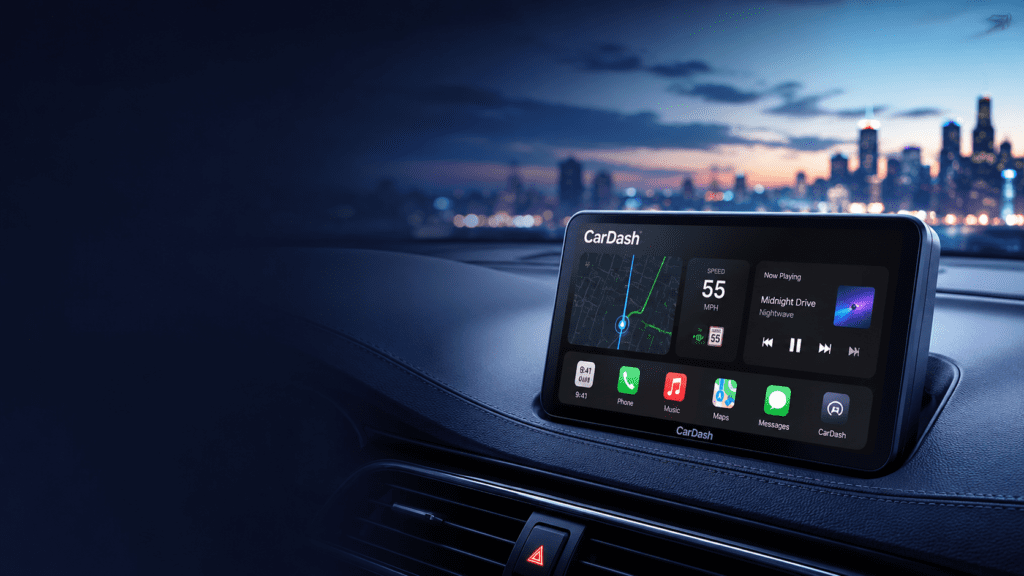
“CarDash” refers to automotive technology platforms designed to simplify vehicle ownership experiences.
Depending on the service variation, CarDash can function as:
- A car marketplace platform connecting buyers and sellers
- A vehicle maintenance and repair management solution
- An automotive concierge service
- A digital ownership companion for drivers
- A vehicle inventory platform for dealerships and sellers
Some CarDash platforms focus on vehicle listings, dealer tools, search capabilities, and buyer-seller connections. They emphasize transparent vehicle discovery and inventory management.
Other CarDash implementations emerged with a mission to modernize vehicle maintenance by helping drivers find mechanics, compare repair services, receive automotive guidance, and reduce maintenance friction.
The underlying philosophy remains consistent:
Remove complexity from vehicle ownership.
Why Traditional Car Ownership Creates Friction
Owning a vehicle sounds simple until real life intervenes.
Drivers routinely face:
Information overload
A repair shop recommends multiple services.
Questions immediately appear:
- Are all repairs necessary?
- Are prices reasonable?
- Is this mechanic trustworthy?
Most drivers lack enough technical knowledge to confidently evaluate recommendations.
Time inefficiency
Vehicle ownership consumes time:
- Calling service centers
- Comparing pricing
- Scheduling maintenance
- Waiting at workshops
- Managing paperwork
Traditional automotive processes often remain surprisingly manual.
Transparency concerns
Automotive services historically struggle with trust.
Consumer frustration commonly involves:
- Unclear pricing
- Difficulty comparing providers
- Limited visibility into service quality
- Inconsistent customer experiences
CarDash-style platforms emerged largely to solve those issues.
Core Features CarDash Platforms Typically Offer
Although implementations vary, modern CarDash systems commonly include several core capabilities.
Vehicle Search and Marketplace Tools
Some CarDash platforms focus heavily on vehicle discovery.
Features may include:
| Feature | Purpose |
|---|---|
| Smart filtering | Narrow vehicles by price, mileage, brand, fuel type |
| Dealer inventory tools | Manage listings efficiently |
| Vehicle detail lookup | Improve listing accuracy |
| Buyer-seller communication | Simplify negotiations |
| Listing management | Reduce friction for private sellers |
Marketplace-focused systems aim to reduce search complexity.
Automotive Maintenance Assistance
Maintenance-oriented versions of CarDash help drivers manage ownership responsibilities.
Capabilities may include:
- Mechanic discovery
- Repair estimates
- Service scheduling
- Expert automotive advice
- Maintenance tracking
- Roadside assistance options
Some implementations position themselves as ownership companions rather than simple booking apps.
Pricing Transparency
Transparency represents one of the strongest recurring themes.
Drivers increasingly expect:
- Clear service pricing
- Repair comparisons
- Labor visibility
- Upfront estimates
Automotive technology startups frequently compete by reducing uncertainty.
Trust becomes a competitive advantage.
How CarDash Technology Works
Automotive platforms like CarDash typically rely on multiple technology layers.
Data Integration Systems
Vehicle information systems may integrate:
- Vehicle registration databases
- Service histories
- Inventory systems
- Customer relationship tools
Some marketplace implementations specifically mention automated vehicle detail retrieval for listing accuracy.
Matching Algorithms
Smart search infrastructure attempts to connect users with relevant outcomes.
Examples:
Buyer perspective
Input:
- Budget: $15,000
- SUV preference
- Automatic transmission
- Under 80,000 km
Output:
Relevant inventory matches.
Service perspective
Input:
- Vehicle model
- Maintenance requirement
- Location
Output:
Qualified repair providers.
The goal is reduced search effort.
Communication Infrastructure
Many automotive platforms increasingly prioritize direct communication capabilities.
Users expect:
- Messaging systems
- Notifications
- Scheduling automation
- Digital record management
Automotive software increasingly mirrors convenience expectations established by food delivery, ride-sharing, and e-commerce ecosystems.
Benefits of Using CarDash
1. Better Decision-Making
Vehicle ownership involves expensive decisions.
Technology reduces guesswork.
Comparisons, pricing visibility, and centralized information improve decision quality.
2. Time Savings
Drivers value convenience.
A platform eliminating:
- Multiple phone calls
- Manual comparisons
- Repetitive searches
creates measurable utility.
Time saved becomes part of product value.
3. Reduced Ownership Stress
Automotive maintenance uncertainty creates psychological friction.
Drivers often worry about:
- Overpaying
- Missing maintenance
- Choosing poor service providers
Simplification reduces that burden.
4. Greater Market Transparency
Marketplace transparency produces healthier ecosystems.
Buyers gain:
- Better comparisons
- More informed choices
Sellers gain:
- Greater visibility
Dealers gain:
- Operational efficiency
Practical Scenario: How a Driver Might Use CarDash
Consider a realistic ownership situation.
Scenario
Sarah owns a five-year-old SUV.
A warning light appears.
Traditional approach:
- Search repair shops
- Read reviews
- Call multiple businesses
- Compare estimates
- Schedule manually
- Worry about pricing fairness
Platform-assisted approach:
- Open automotive management app
- Identify service need
- Compare providers
- Review transparency indicators
- Book appointment
- Track service
The second experience removes decision fatigue.
That difference explains why automotive technology adoption continues expanding.
Expert Perspective: Why Automotive Technology Platforms Are Growing
The automotive industry increasingly resembles other digitally transformed sectors.
Banking moved online.
Shopping became mobile-first.
Transportation embraced app ecosystems.
Vehicle ownership is following a similar trajectory.
Industry trends driving adoption include:
Consumer convenience expectations
Modern users expect:
- Immediate access
- Transparent pricing
- Mobile-first experiences
Data availability
Vehicle information systems have improved dramatically.
Better information enables smarter consumer tools.
Trust optimization
Automotive spending often involves high financial stakes.
Technology platforms increasingly position trust—not just convenience—as their differentiator.
Common Misconceptions About CarDash
“It replaces mechanics.”
Reality:
Platforms facilitate connections and decision-making.
Repair expertise still comes from qualified professionals.
“Automotive platforms only help luxury vehicle owners.”
Reality:
Convenience benefits apply broadly.
Budget-conscious owners may benefit significantly from pricing visibility.
“Technology platforms eliminate all ownership problems.”
Reality:
Technology improves processes.
It does not remove maintenance requirements or ownership responsibilities.
CarDash vs Traditional Automotive Processes
| Factor | Traditional Approach | CarDash-Style Platform |
|---|---|---|
| Finding services | Manual research | Centralized discovery |
| Pricing visibility | Limited | Improved transparency |
| Scheduling | Phone-heavy | Digital workflows |
| Comparisons | Time-intensive | Faster filtering |
| Information access | Fragmented | Consolidated |
| User convenience | Variable | Higher consistency |
Digital simplification often becomes the deciding factor.
Potential Limitations
No platform solves everything.
Users should consider:
Geographic coverage
Some services operate regionally.
Availability varies.
Provider quality differences
Platforms improve discovery.
Execution quality still depends on service providers.
Learning curve
Some users prefer traditional methods.
Digital adoption takes adjustment.
Best Practices for Using Automotive Platforms Like CarDash
Verify service details
Always confirm:
- Pricing
- Service scope
- Warranty information
Compare multiple options
More visibility creates better decisions.
Avoid choosing solely on price.
Review provider reputation
Look beyond ratings.
Evaluate:
- Experience
- Specialization
- Communication quality
Keep maintenance records organized
Digital ownership becomes more valuable when records remain complete.
Maintenance history supports:
- Resale value
- Diagnostics
- Ownership planning
The Future of Automotive Ownership Platforms
Several developments appear increasingly likely:
AI-powered maintenance prediction
Predictive analytics may identify issues before breakdowns occur.
Connected vehicle integrations
Vehicle systems increasingly generate usable maintenance data.
More ownership automation
Scheduling, diagnostics, and reminders may become increasingly proactive.
Personalized ownership intelligence
Future automotive platforms could adapt recommendations based on:
- Driving patterns
- Vehicle age
- Historical maintenance behavior
CarDash-style systems exist within that broader movement toward intelligent automotive ownership infrastructure.
Frequently Asked Questions (FAQ)
What is CarDash used for?
CarDash can refer to automotive platforms focused on vehicle buying, selling, maintenance management, or ownership support.
Is CarDash a car marketplace?
Some versions operate as vehicle marketplaces connecting buyers and sellers.
Does CarDash help with vehicle maintenance?
Certain implementations provide maintenance assistance, mechanic discovery, repair guidance, and roadside support tools.
Is CarDash free?
Availability and pricing models vary by service implementation.
Can CarDash reduce repair costs?
Transparency and comparison capabilities may help users make more informed repair decisions.
Does CarDash replace auto repair shops?
No. Automotive platforms facilitate discovery and management but do not replace repair expertise.
Why are automotive ownership platforms becoming popular?
Drivers increasingly expect convenience, transparency, and digital-first experiences.
Is CarDash only for dealerships?
No. Consumer-focused functionality exists alongside dealer-oriented features depending on the implementation.
Vehicle ownership is becoming increasingly digital. Platforms like CarDash represent a broader shift away from fragmented automotive experiences connected ecosystems that prioritize visibility, efficiency, trust.